strike
//straɪk//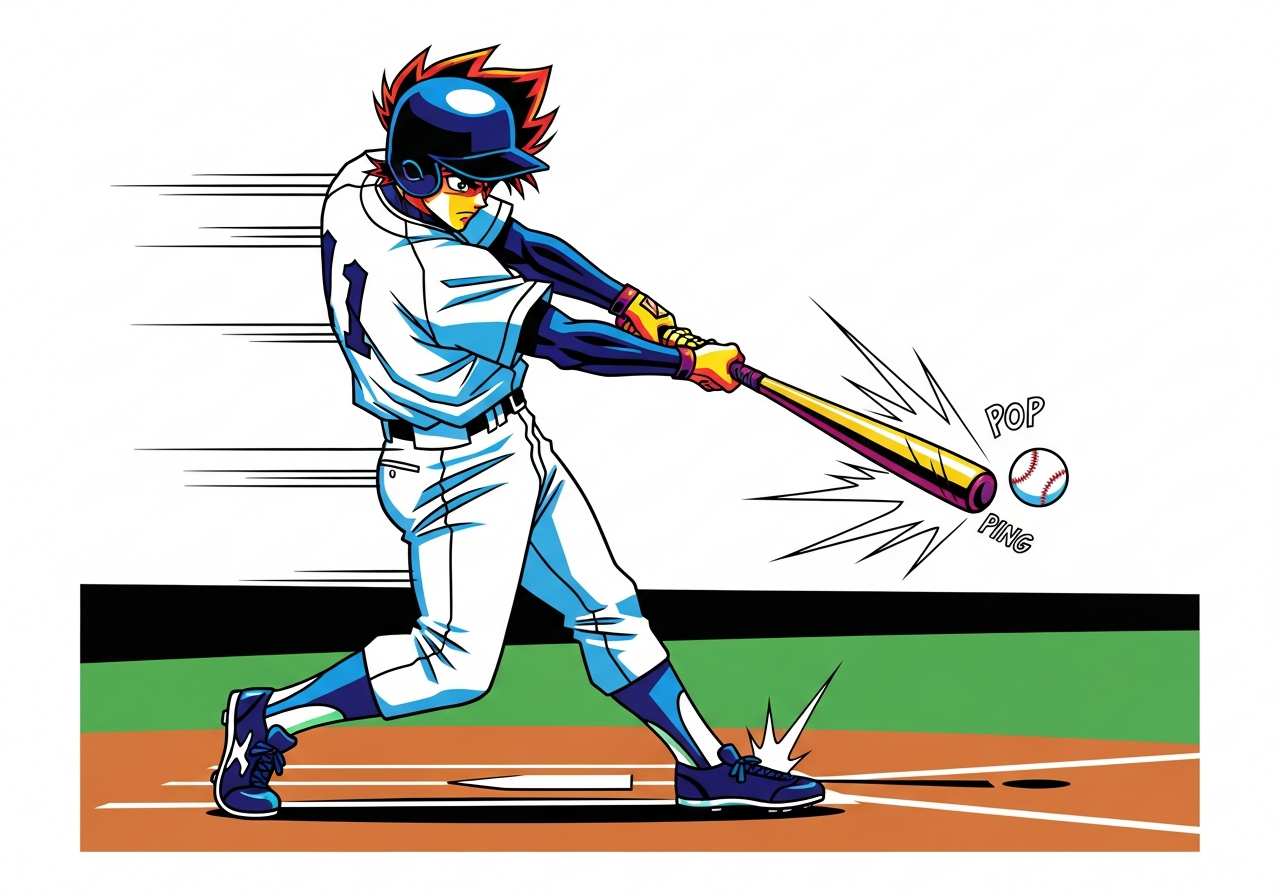
Verb
to hit someone or something with force, especially using the hand or a weapon
He struck the ball with his bat.
to collide with or crash into something
The car struck a tree and was badly damaged.
to attack someone or something suddenly
The snake struck without warning.
to occur suddenly to someone's mind; to impress or affect someone in a particular way
It suddenly struck me that I had forgotten my keys.
to ignite a match by rubbing it against a surface
He struck a match to light the candle.
to produce a sound by hitting something, especially a clock indicating the time
The clock struck twelve at midnight.
to discover or find something valuable, especially gold or oil
They struck oil after drilling for several months.
to remove or cancel something from a list or record
The judge ordered that the remark be struck from the record.
Noun
a refusal to work organized by employees as a form of protest, typically to demand better pay or working conditions
The workers went on strike to demand higher wages.
a sudden attack, especially a military air attack
The military launched an air strike against enemy targets.
a discovery of gold, oil, or other valuable minerals
The oil strike made the company very wealthy.
in baseball, a pitch that the batter swings at and misses, or that passes through the strike zone
The pitcher threw three strikes and the batter was out.